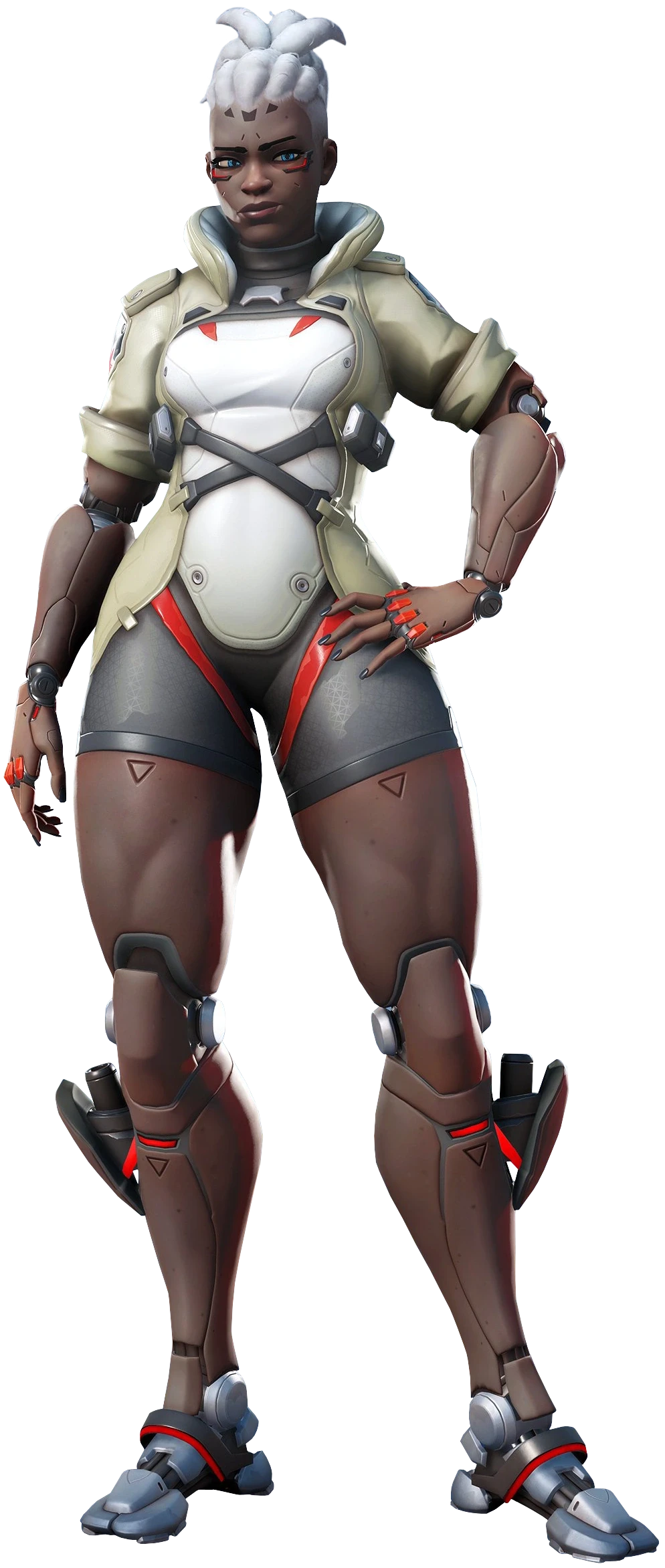
The sojourn plateau: Why your railgun is a mirage and discipline is the real climb
Stop blaming your aim and start reading the tempo — the difference between a winning sojourn and a losing one is resource timing, not raw mechanics.
TL;DR
- →The bridge drift: How one slide rollout buys you a fight
- →Machine gun sojourn: Why your primary fire wins fights your railgun cannot
- →The roadhog rule: Range is your armor, slide is your panic button
- →The tank battery cycle: Farming charge, then deleting squishies
- →Slide is for exits, not entries — the hard rule of off-angles
- →The railgun rebind: Why left click should be your kill button
The sojourn plateau: Why your railgun is a mirage and discipline is the real climb
You have the railgun flick, you win the duel, then you lose the match. This guide is not about aim — it is about the habits that bleed value before the fight even starts.
Every sojourn player who plateaus in diamond or master has the same blind spot: they confuse mechanical pop-off with consistent winning. You land the one-shot headshot, you feel like a god, but you still drop games you should close. The problem is not your crosshair placement. The problem is your internal clock.
Sojourn's kit is a resource economy. Primary fire builds charge, slide is your only disengage, zones space. The best sojourn players do not just have good aim — they have impeccable timing discipline. They know when to hold slide for the escape instead of using it for the entry. They know when to spam primary fire instead of fishing for the perfect . They know that a charged is a win condition, not a party trick, and wasting it on a tank with fortify is how you lose tempo.
The matchups here are not theory — they are real footage of how your opponents want to play. Baptiste wants to lamp your burst, Genji wants dash resets, Junkrat wants to mine-jump onto your head. If you do not have a counter chain ready, you are gambling. The habits in these embeds are what separate a sojourn who climbs from one who peaks. Read them with your ranked goal in mind, not your ego.
The bridge drift: How one slide rollout buys you a fight
This is not a flashy play — it is a tempo cheat. By sliding around that corner and canceling into a jump, you take an off-angle that most enemies are not watching. You get free primary fire damage and charge before they even turn their crosshair. The power is not the position itself, but that you have slide available to escape the second they respond. Rollout into poke, then slide out before they commit a cooldown. That is how you turn geometry into map control without feeding.
Machine gun sojourn: Why your primary fire wins fights your railgun cannot
Stop holding left click for the perfect charged shot. At mid-range, your primary fire is a sustained damage hose that builds charge faster than you think. The source shows that falloff is forgiving at closer distances, so you can pour rounds into a tank's hitbox and have a charged ready in seconds. That is your bread and butter — pressure with primary, then finish with . The players who lose on sojourn are the ones who fish for headshots while their team takes damage. Be the pressure source, not the highlight reel.
The roadhog rule: Range is your armor, slide is your panic button
Roadhog wants you at hook range. If you let him close that gap, you lose the trade — even if he misses hook, you are in scrap gun one-shot territory. Play at max falloff where your shots still connect but his combo is unreachable. The moment he waddles forward with a vape, you slide laterally and reset. Do not duel him at close range, ever. That is a losing gamble. Stay at distance, farm charge off his massive hitbox, and let him be a walking battery for your . Every hook he misses at max range is a free rotation.
The tank battery cycle: Farming charge, then deleting squishies
This is the sojourn loop that separates climb from plateau. You take an off-angle with slide, spam primary into the tank's hitbox — rein, Mauga, Orisa — until you see 80-100 energy. Then you flick to a squishy who is in the open or distracted and one-tap them. The footage confirms: consistent aim is the win condition, but you cannot hit that shot without farming charge first. If you stare at the backline waiting for a pixel, you are wasting your value. Shoot the tank. Build the charge. Execute the squishy. Repeat.
Slide is for exits, not entries — the hard rule of off-angles
This is the habit that costs you games. You see an off-angle, you slide into it, you get one kill, then you die because you have no escape. The source shows slide as the disengage tool, not the entry tool. Walk to your angle, take your shots, and the second you get pressured — slide out. If you waste slide to get there, you are a sitting duck. Discipline here is the difference between a sojourn who racks up kills and one who feeds ult charge. Save slide for when you need to leave, not when you want to arrive.
The railgun rebind: Why left click should be your kill button
This is a mechanical reality: most players have superior precision with left click. By putting on left click and primary fire on right click, you directly improve your accuracy on the shot that matters most. The source is not about aim training — it is about ergonomics. On pc, your index finger has more fine motor control than your middle finger. If you are leaving on right click, you are handicapping your one-shot consistency for no reason. Rebinding takes one session to adjust and will pay every single fight.
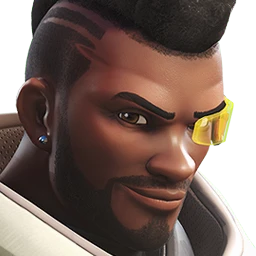
The lamp problem: How baptiste wins the cooldown war
Baptiste· SUPPORT // TACTICIAN→Baptiste entire identity is negating your burst. Immortality field is a direct counter to your one-shot — you line up a headshot, lamp hits, your kill disappears. The footage shows Baptiste pumping healing and rhythm, but his real win condition is that lamp. If you shoot it first, you waste your charge and the fight resets.
Do not commit until his lamp is down. Use primary fire from range to force him to lamp his tank, then slide to an off-angle and one-tap him while lamp is on cooldown. Alternatively, fire at the lamp to destroy it quickly from cover — forcing Baptiste to choose between saving his team or saving himself.
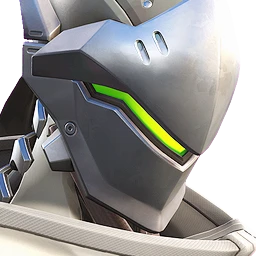
The dash trap: Why genji without dash is a free kill
Genji· DAMAGE // FLANKER→Genji dash is his only mobility and his only reset tool. The footage shows he wants to use it to finish kills, not to escape. If he dashes away, he is out of the fight for 8 seconds — that is a huge tempo loss for his team. Your job is to make him waste that dash on survival instead of kills.
Track his deflect cooldown. When deflect ends, land two primary fire shots to force him to dash or die. If he dashes away, you win the exchange — he is out of the fight and you have free space. If he dashes into you, slide sideways, then headshot him during his recovery. He cannot deflect during dash animation.

The pylon problem: Why illari's sustain requires a cooldown tax
Illari· SUPPORT // TACTICIAN→Illari healing pylon is her entire value proposition. The footage reveals that good Illari players destroy their own pylon before respawning to avoid the cooldown penalty — that is how important pylon uptime is to them. If you let her pylon sit, she heals through your primary fire and your becomes a mirage.
Your primary job before any engagement is to destroy the pylon. One + two primary fire shots disintegrates it. Slide to a flank angle to hit it if it is hidden. Once the pylon is dead, Illari has to choose between healing or dealing damage — she cannot do both effectively. Then you can her while she is reloading her primary fire.

The taxi threat: Why jetpack cat turns a dead fight into a six-stack
Jetpack Cat· SUPPORT // TACTICIAN→Jetpack Cat lifeline tether allows her to bring allies back from spawn instantly or reposition an ulting Cassidy onto your backline. The footage shows how this single ability can flip a fight's tempo — you win a pick, then suddenly there is a full team again. She is not a direct duel threat, but she is the reason your picks do not stick.
Your cannot one-shot Jetpack Cat because of her armor and small hitbox. Focus her tether target instead — when she tethers a low-health ally, they are standing still. One headshot + melee secures the kill before the tether heal kicks in. If she uses glide to escape, track her landing spot and slide to punish her slow descent.
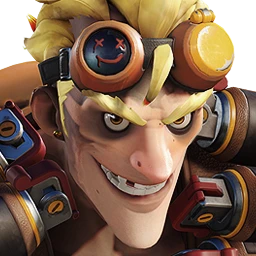
The mine jump lottery: Why you never stand still in junkrat's sightline
Junkrat· DAMAGE // SPECIALIST→Junkrat wins by spamming chokes and landing direct hits into mine combos. The footage shows his kill condition is the conc mine detonation — that is the burst that kills you. If you stand still to line up a on him, you are giving him a free mine combo. He also uses mine jumps to take unexpected high ground, which is where he kills sojourns who hold angles too long.
Stay at mid-range where his grenade arc is unreliable. When he uses conc mine to close distance, slide laterally — do not slide backward, as his grenades can still bounce to hit you. Once his mine is on cooldown, he has no burst and is vulnerable. Then you can primary fire him down or headshot him while he reloads. Never duel him in a choke.
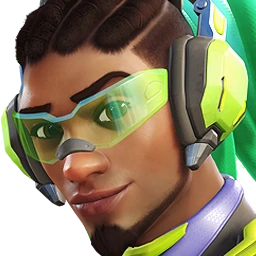
The stall king: Why lucio buys time you cannot afford
Lúcio· SUPPORT // TACTICIAN→Lúcio entire job on overtime is to touch point and drag the fight into chaos. The footage shows the exact timings — 96.5% on control, 95% on flash point — where he can tap and stall for 8-10 seconds. That is enough time for his team to regroup and collapse on you. If you let him do this uncontested, your team loses the tempo advantage you earned.
Your one-shot is the fastest way to delete Lúcio before he can stutter-touch. Pre-aim the point entry from an off-angle. The moment he wall rides in, you do not need to wait for a perfect headshot — one body + one melee kills him before he can amp it up. If he speed-boosts away, use to slow him, then chase with slide. Do not let him touch for free.